Not started

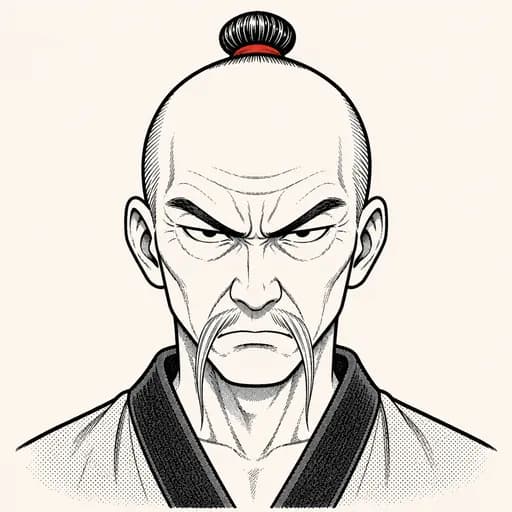
Prohibition versus absence of obligation, a meaning reversal learners routinely miss.
Why you specifically
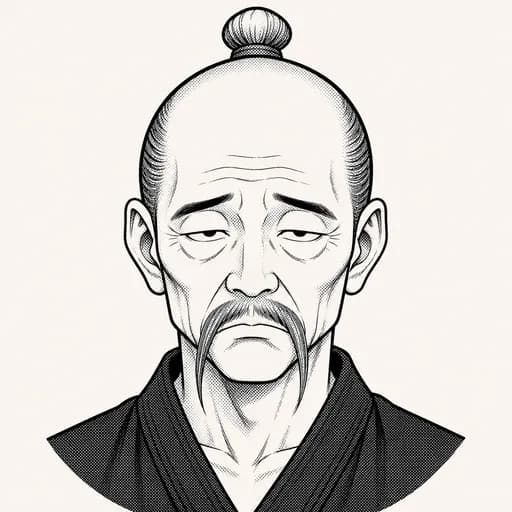
‘Must not’ và ‘do not have to’ khác nhau hoàn toàn về nghĩa. ‘Must not’ diễn tả cấm đoán, nghĩa là một hành động không được phép làm. Còn ‘do not have to’ diễn tả không có nghĩa vụ, tức là không bắt buộc phải làm, nhưng vẫn có thể làm nếu muốn. Đây là điểm rất dễ nhầm với người Việt vì trong tiếng Việt đều có thể được hiểu gần như ‘không được’ hoặc ‘không cần’, nhưng trong tiếng Anh hai cấu trúc này không thay thế cho nhau. Hãy nhớ: ‘must not’ = cấm; ‘do not have to’ = không bắt buộc. Ngoài ra, ‘must’ và ‘have to’ đều dùng cho nghĩa bắt buộc/nghĩa vụ, còn ‘must not’ là cấm và ‘do not have to’ là không bắt buộc.
The rule
Must not and do not have to are very different in meaning. Must not means prohibition: something is not allowed. Do not have to means no obligation: something is optional, not required. This difference is very important for IELTS because Vietnamese learners often translate both ideas with one structure like ‘không phải’ or ‘không cần’, but in English the meaning changes completely depending on the modal. Compare it with must for obligation and have to for obligation: must and have to both express necessity or requirement, while must not expresses a ban and do not have to expresses freedom from obligation.
Both correct
Every sentence here is correct English. Only the meaning changes.
You must not park here.
Prohibition: it is not allowed.
You do not have to park here.
No obligation: parking is optional.
The trap
You do not have to smoke here.
You must not smoke here.
Must not means prohibition. It says something is not allowed.
You must not come to the meeting.
You do not have to come to the meeting.
Do not have to means there is no obligation. It says something is optional, not forbidden.
Students do not have to use phones during the exam.
Students must not use phones during the exam.
Must not is used for rules and bans.
You must not pay now.
You do not have to pay now.
Do not have to means payment is optional or delayed; it does not mean paying is forbidden.
Prove it
14 drills
You have not fought this one yet.
Rivals